ART / PHOTOGRAPHY / THE QUIET BETWEEN WORLDS
The Quiet Between Worlds
The journey from Bhutan to Nepal and ultimately to the U.S. has been a story of perseverance and transformation. Though life in Bhutan was comfortable, the refugee experience in Nepal was filled with hardship and scarcity. The transition to the U.S. brought new challenges, but with time, the family adjusted and found stability. Their story highlights the resilience required to overcome adversity, the power of community, and the deep connection to both their past and their new life. Today, they cherish the opportunities they've gained, despite the struggles they endured.
“We are what we are
from the heart”
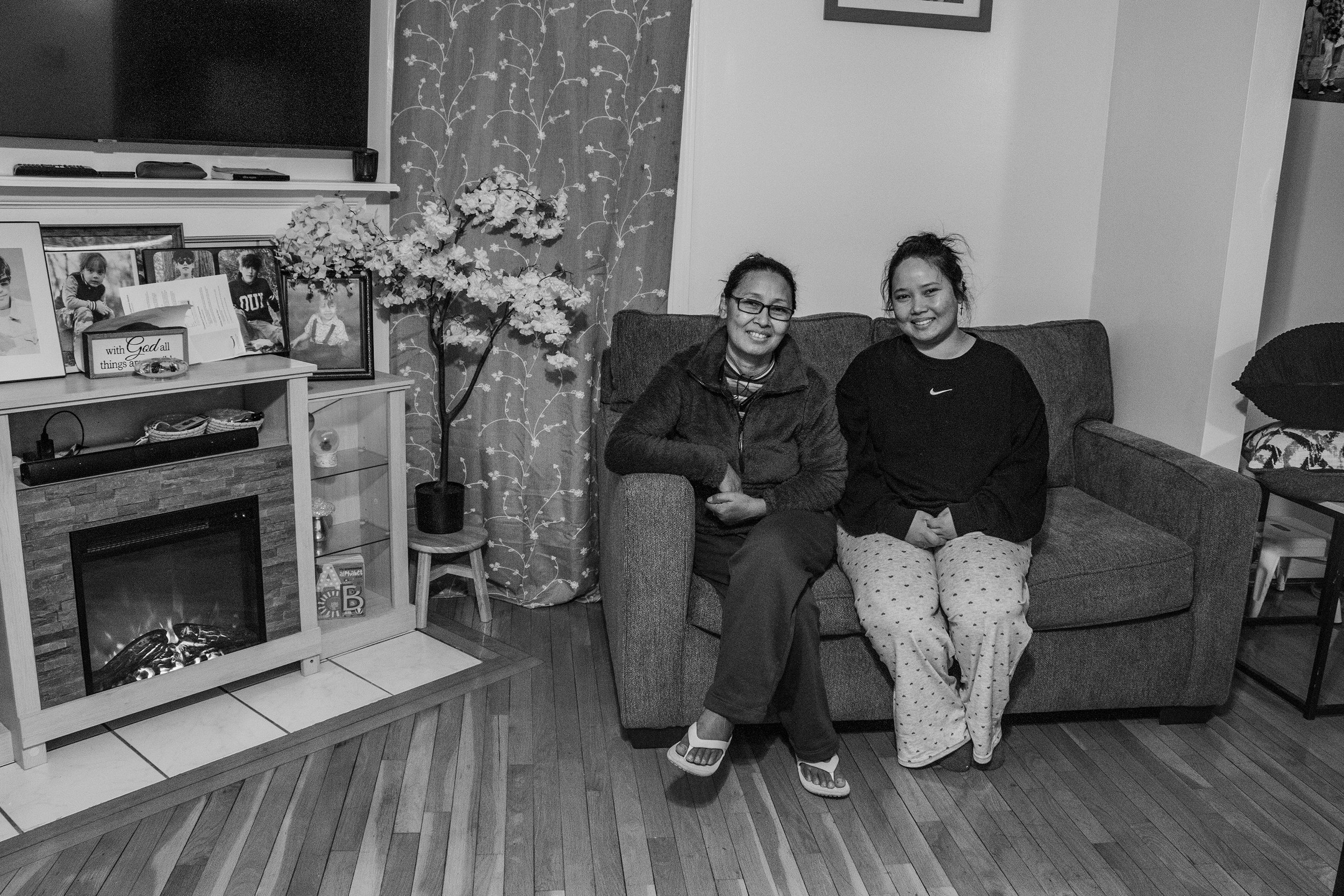
“My wife and I arrived here around 2010, and it was tough at first. Without transportation, we often had to walk 3-4 miles just to get to the store. Leaving Bhutan was a harrowing experience. I was struck by an army rifle, which caused a severe head injury, leaving me in a coma for 15-20 days. The soldiers thought I was dead and left me in the mud near the Indian border. Fortunately, someone from India found me and took me to the hospital, where I stayed for a month. I am still suffering from the head injury and struggle to sleep most nights.”
Their life is much better now. Both he and his wife are working, and their children have achieved success in their careers. His daughter is a dentist, and his son works as a bank manager. The family is doing well, having overcome the challenges they faced in their earlier years.
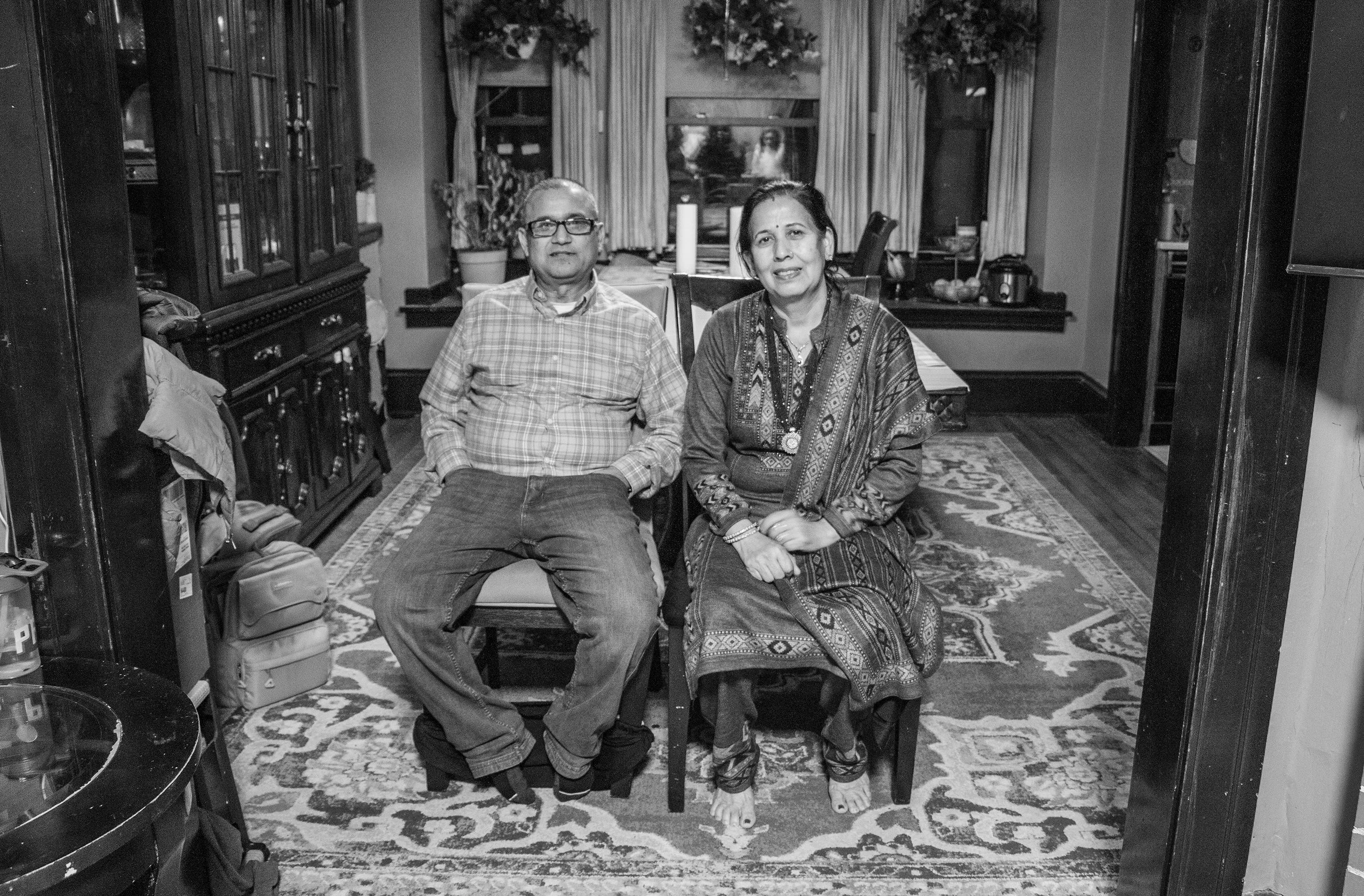
“I moved to the U.S. on August 13, 2015, and adjusting to a completely new life was challenging. I arrived in Pennsylvania, knowing no one, and felt the weight of leaving behind memories of my home, especially of my 88-year-old mother still in Bhutan. I'm the only one from my family here, and it's been difficult being far from her. Although I visited Bhutan in 2019, I couldn't stay due to my refugee status. But I hold on to the hope that I may see her again next year, perhaps for the last time.”
She told me many touching stories about her life in Bhutan. One particularly striking incident was when she was punished simply for speaking Nepali to her friend, as the language was banned there. She also revealed that many Nepalese individuals in Bhutan have to change their caste to avoid discrimination and maintain their presence in the country. This act of altering their identity is a survival mechanism in a place where cultural and linguistic restrictions often make life difficult for ethnic minorities.
I arrived in the U.S. in October 2010, landing in Raunak, Virginia, and later moving to New Hampshire in 2014. It was a bit easier for me since my family-my parents, brothers, and relatives-were already here when I arrived. Prior to coming to the U.S., we lived in Nepal for nearly 18-19 years after fleeing Bhutan, where we had a comfortable life with our own house and jobs. But everything changed when we were forced to leave Bhutan, and we found ourselves in refugee camps in Nepal.
The conditions were harsh; the camps were overcrowded, and we had to make do with plastic tents as shelter. Winds would blow the tents away, and we had to chase them down. There was no proper education, and many people, including children, wore torn clothes. The camp was plagued by poverty, and we lived in difficult conditions, often in darkness because of strong winds extinguishing the small kerosene lanterns we used. There was also a constant risk of illness due to the extreme heat and lack of basic facilities.
Over time, some educated people in the camp petitioned the Nepalese government and international organizations to improve health and education facilities, and things gradually began to improve. We no longer felt like we would die there. Eventually, a concrete resettlement plan was made for all the Bhutanese refugees, and we were given options to resettle in 7 or 8 different countries. While some were hopeful to return to Bhutan, I never expected to end up in the U.S.
Coming here was a life-changing experience. Life is far better now-though not perfect, about 90% better than before. This is a place where, if you are good and work hard, everything seems to fall into place. I am grateful for the cleaner air, the abundance of food, and the opportunities here. If we were still in the camps, I truly believe that we wouldn't have survived much longer due to the pollution and
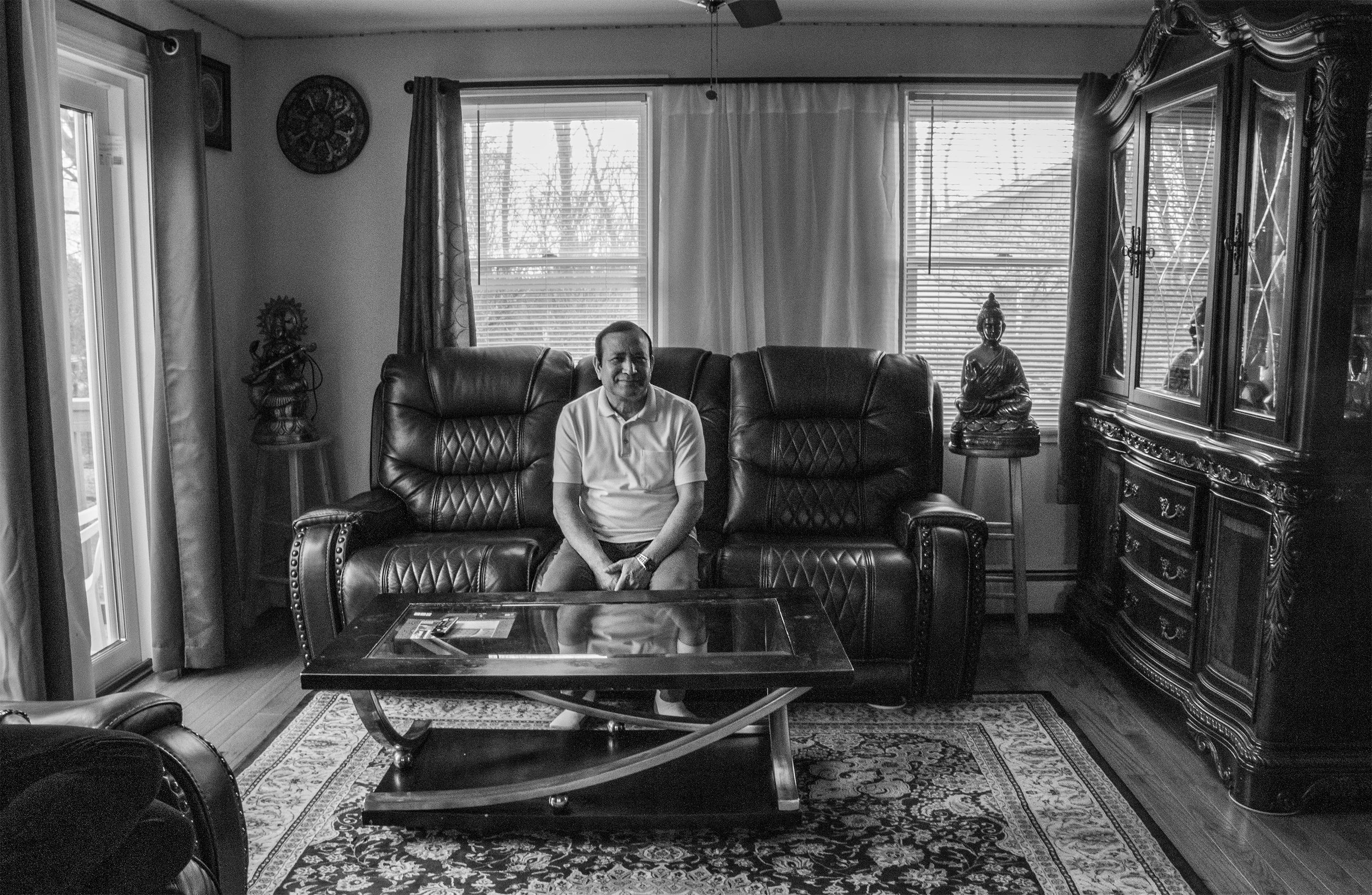
“I arrived in the U.S. on February 24, 2009. Starting a new life is always difficult as you have to adapt to a new culture and environment. However, once you get used to it, the adjustment becomes easier. The memories of our homeland remain sweet-our house, cattle, fields, and the road to school. These memories stay with you, no matter how many years pass. Life in the refugee camp was filled with struggle, but I still recall the fun times, like playing football with my friends after dinner.”
His wife shared that although they have enough money to visit their home country, Bhutan, they are not permitted to do so. This restriction brings them a deep sense of sadness.
“We came to the U.S. on August 9, 2019. It was a tough adjustment because everything was new to us. We didn't have much, and the language barrier made it even harder. Thinking back, I remember leaving Bhutan and arriving in Nepal, where we lived in a refugee camp. Life there was extremely difficult, and food was scarce. The struggles and hardships we faced in that camp still bring sadness when I reflect on them.”
“We arrived in the U.S. in September 2009, stepping into a new world with unfamiliar customs and a different community. Initially, a resettlement agency supported us, making the transition manageable. However, after about six months, the assistance ended, and we faced significant financial challenges. Rent was $700, but the agency's support was only $531, leaving us in economic hardship. Our struggles didn't begin in the U.S. In Nepal, as refugees, we were not accepted as Nepali, despite my father having citizenship and owning land there before 1983. My father was jailed for owning land, and we were forced to leave without selling our property, which the government deemed illegal for refugees to possess. Safety concerns pushed my family to leave Nepal, with my mother and brother fleeing at midnight. Even though we share Nepal's language and culture, political and geographical divides created a sense of exclusion. Despite these struggles, we hold on to our identity and roots, finding strength in our shared heritage.”
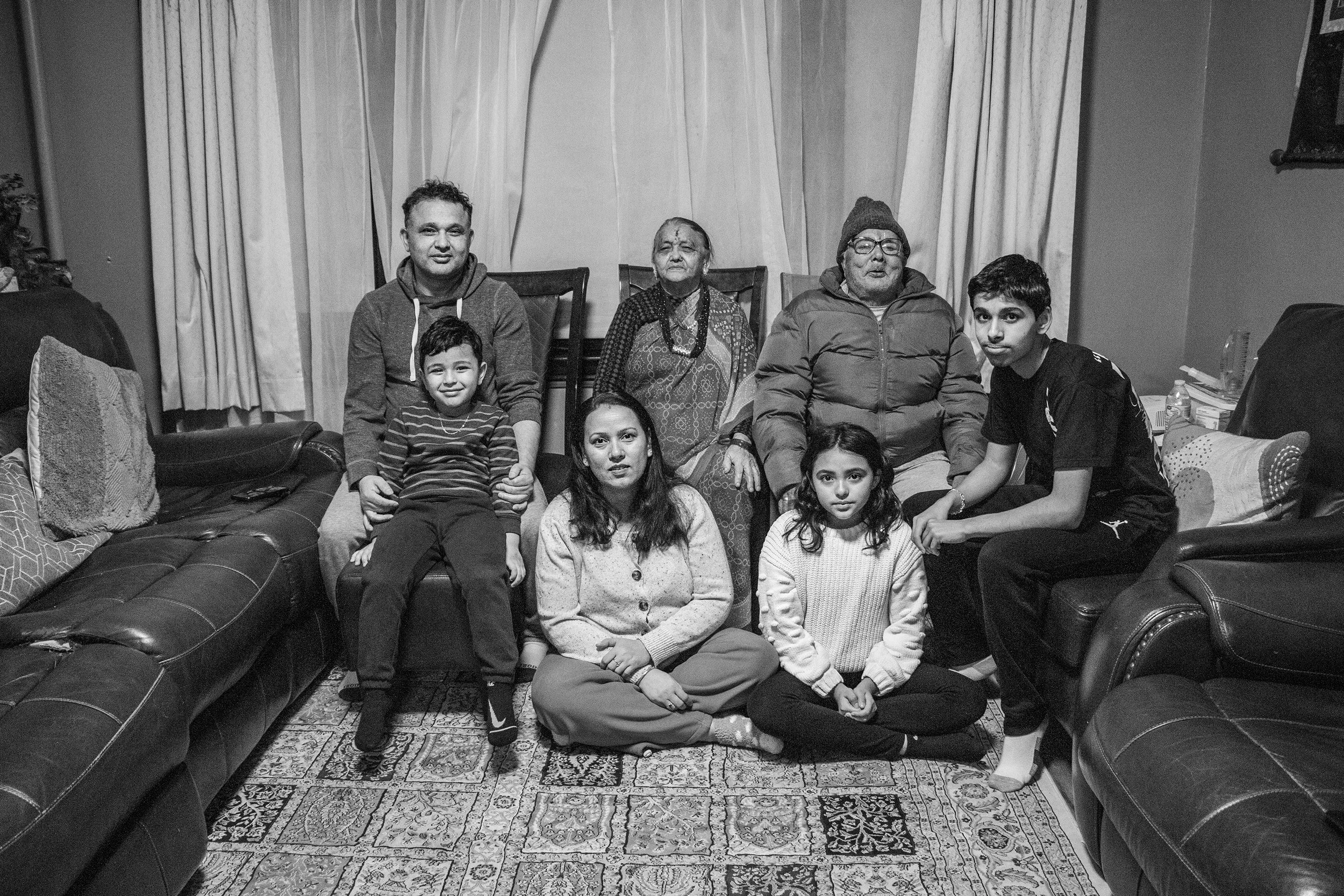
After speaking with him, he shared how difficult it was to grapple with their identity. Bhutan rejected them because they spoke Nepali, while Nepal refused to accept them because they were born in Bhutan. This left them questioning where they truly belonged. Now, however, life is much improved. He works a stable state job, his wife is employed, and their children are young and attending school. His parents, who stay at home, are well cared for, and the family feels more secure in their current circumstances.
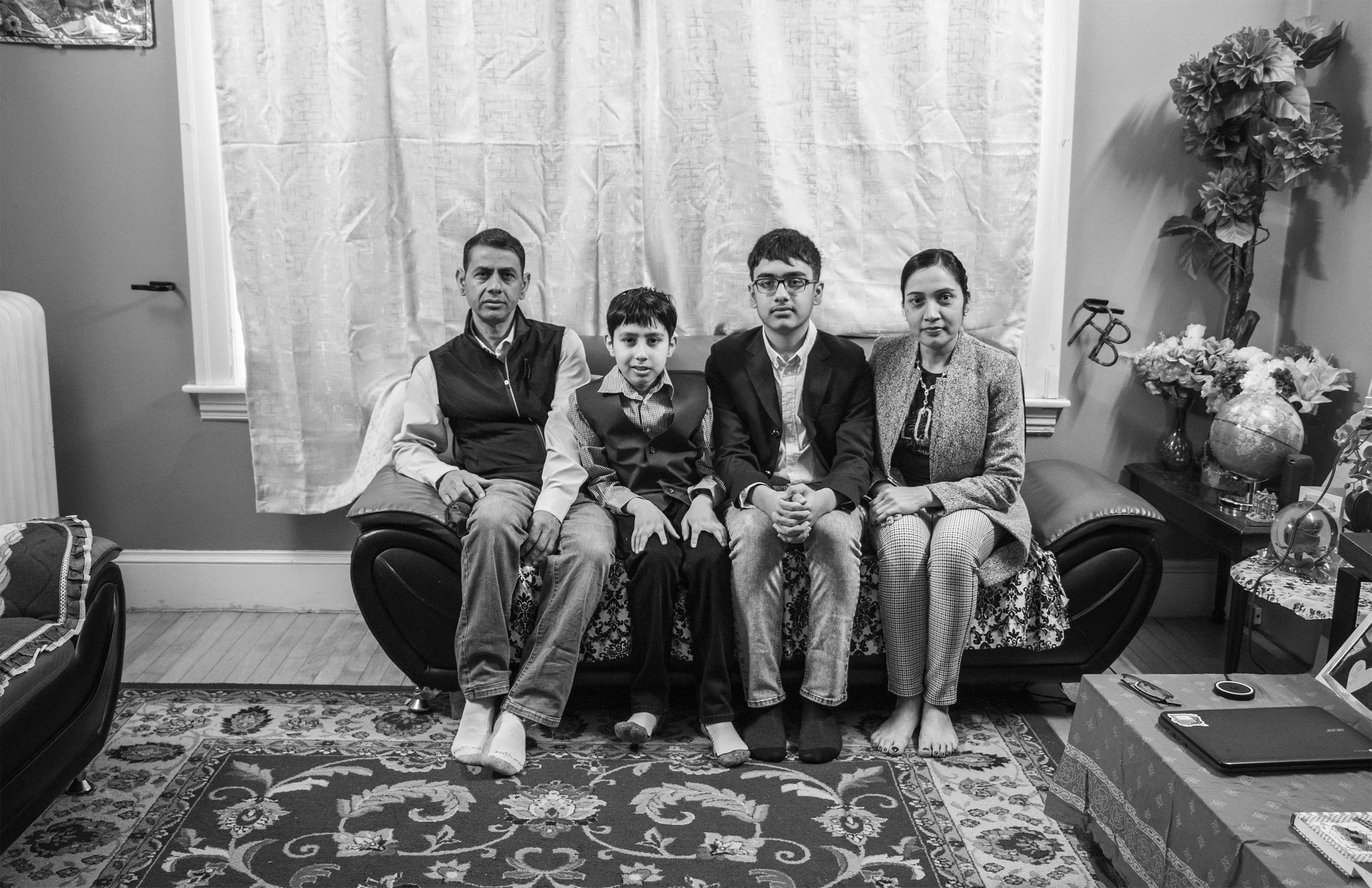
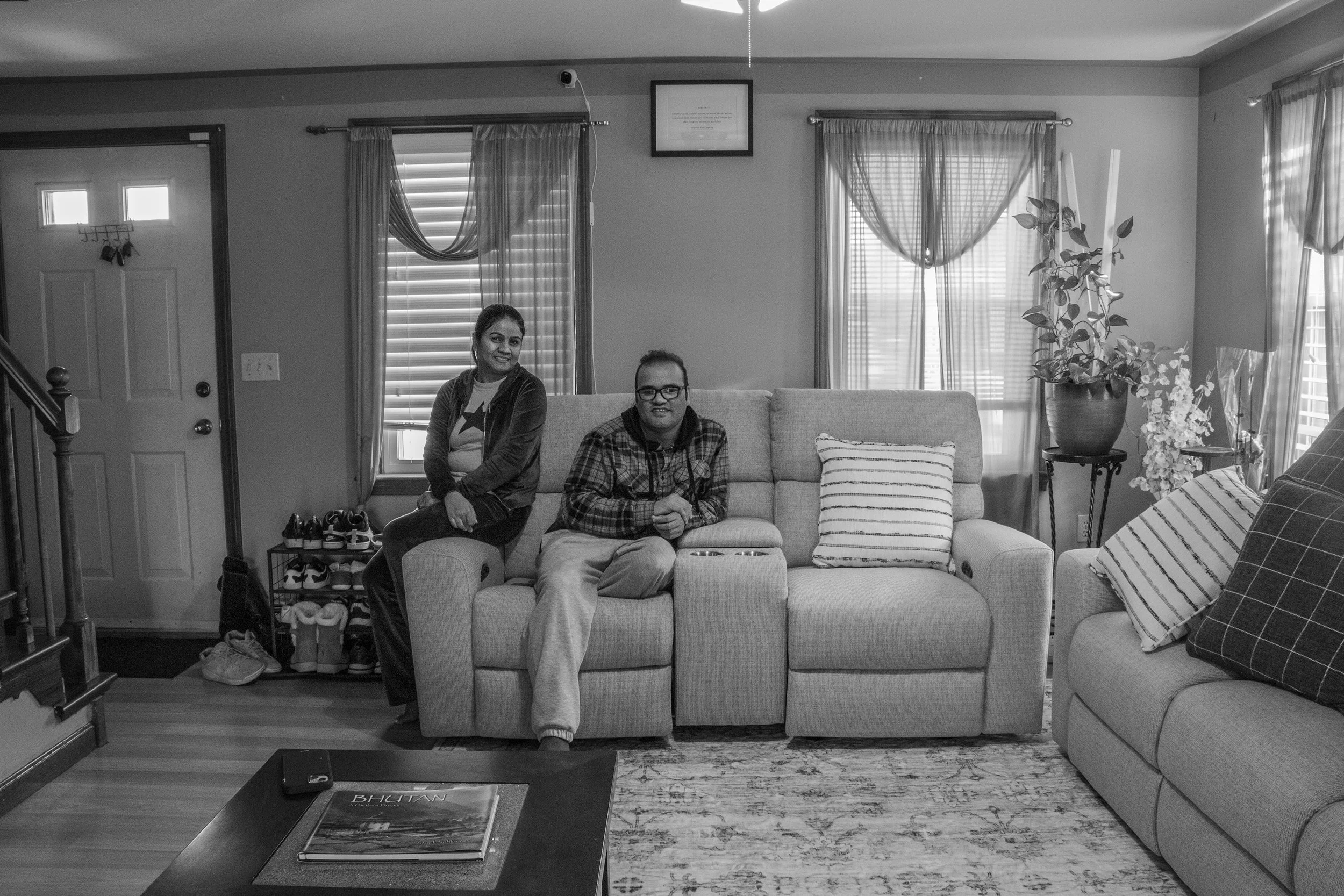
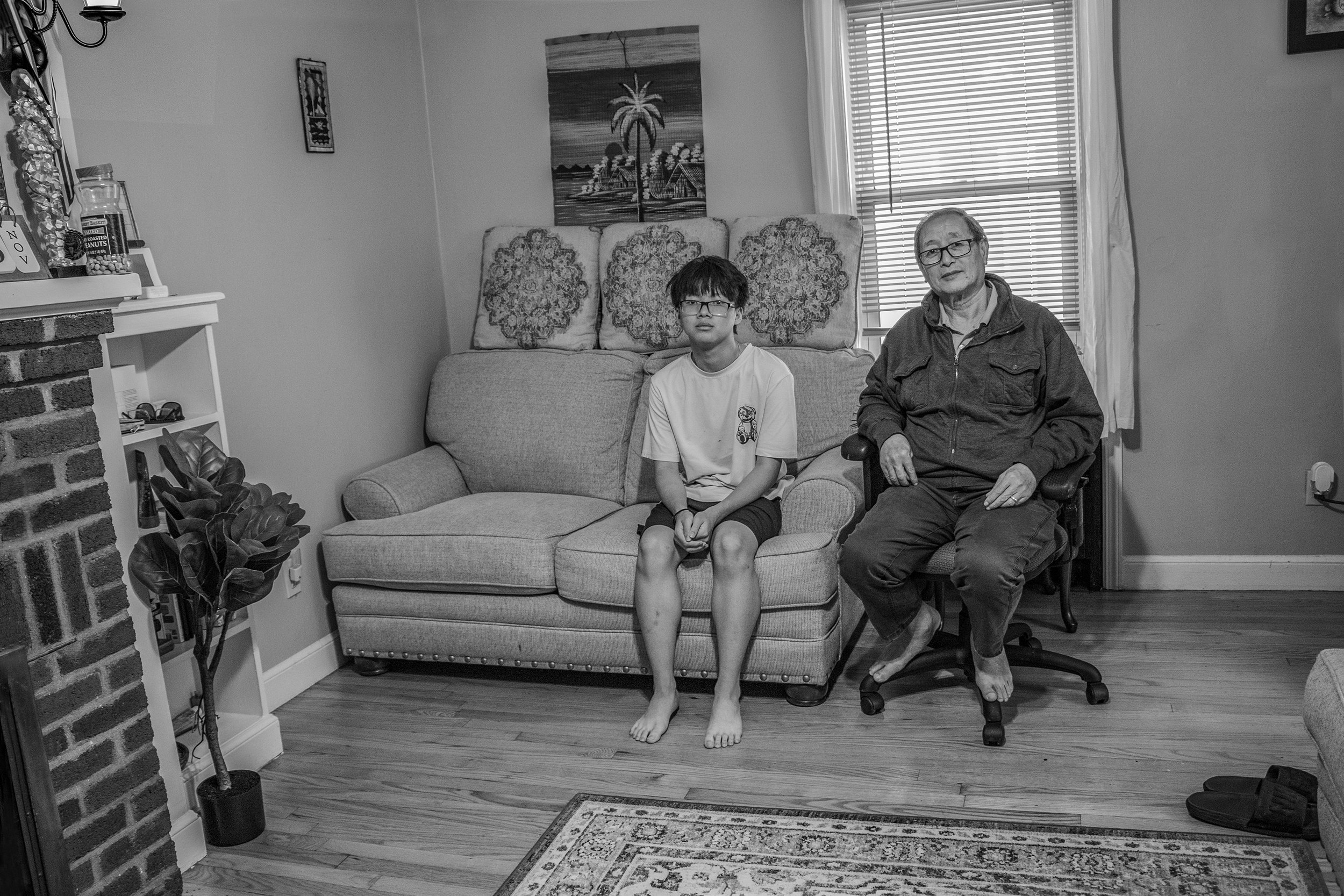
“My wife and I both work, while our son and elder daughter go to school. Bhutan is our birthplace, and we hold deep love for it as the place where we grew up. However, when we moved to Nepal, life changed dramatically. Living in a refugee camp was tough; we had to start with nothing. Coming from a rural village in Bhutan without cars, electricity, or running water, adjusting to Nepal was challenging. The camp was overcrowded, and chaos often erupted over scarce donations. I'll never forget how survival depended on strength-even food distribution felt like a battle. In contrast, moving to the U.S. was a revelation. Everything here is so organized. People even form lines to board buses, unlike back home, where you push your way in, hanging off doors or even sitting on the roof. The difference is striking, and it highlights how much life has transformed for us.”
The man's description of life in the Nepal refugee camp is heart-wrenching. He recalls the extreme scarcity of aid, food, and money; where even small items like a chocolate or noodle wrapper became invaluable. Due to the lack of resources, refugees had to improvise, using waste plastic as makeshift containers because they couldn't afford to buy proper ones. His story highlights the dire circumstances they endured, where survival often depended on resourcefulness and resilience in the face of overwhelming hardship.